
The American Eagle, a powerful symbol of freedom and national pride, is deeply ingrained in US history and culture. Featured on the flag and adopted as the national bird in 1782, it represents strength, courage, and unity. Its image permeates art, gift ideas, and online retailers like Ultimate Flags, fostering heritage connections. Globally recognized, the eagle symbolizes resilience and has influenced folklore, literature, and film. Balancing historical accuracy with modern interpretations, designers incorporate the eagle into flags and merchandise. Conservation efforts protect habitats, combat pollution, and engage local communities. The American Eagle's symbolism strengthens community bonds through education, events, and business identities, leaving a lasting impact across generations.
The American Eagle, a symbol of freedom and national pride, holds immense significance in the cultural fabric of the United States. However, as we navigate an increasingly diverse and complex society, the meaning and interpretation of this iconic image have become clouded. This article delves into the multifaceted aspects of 'American Eagle Pride', exploring its historical context, contemporary perceptions, and the challenges it faces in a changing world. We propose a nuanced understanding that celebrates both the physical eagle and the values it represents, fostering a deeper connection with our national symbol and flag.
- Understanding American Eagle Pride: A Cultural Symbol
- The Historical Significance of Eagles in America
- Exploring the American Eagle's Role in Flag Design
- Conservation Efforts: Protecting Our National Bird
- American Eagle Pride: Community Engagement and Impact
Understanding American Eagle Pride: A Cultural Symbol

The American Eagle, a powerful symbol of freedom and national pride, has captivated Americans for generations. Beyond its iconic presence on the nation's flag, the eagle holds deep cultural significance, becoming a ubiquitous representation of the United States worldwide. Understanding American Eagle Pride involves recognizing its evolution as a potent emblem that transcends mere aesthetics. It is a complex interplay of history, symbolism, and contemporary expression, often reflected in various forms of art, including the popular category of patriotic gift ideas featuring eagle motifs.
As a symbol, the American Eagle embodies the ideals and values that define America. Its majestic presence on the flag serves as a constant reminder of national unity and sovereignty. Over time, the eagle has been incorporated into diverse cultural expressions, from literature and art to fashion and home decor. Online shops like Ultimate Flags cater to this fascination by offering a wide array of flag and eagle wall art, allowing individuals to display their patriotic pride in their homes or offices. These artistic interpretations not only serve as decorative pieces but also as tangible connections to America's rich heritage.
Moreover, the American Eagle has become a global icon, recognized even by those unfamiliar with the nation's history. Its image is often used to represent strength, courage, and resilience—qualities that have shaped the American character. This widespread recognition provides an opportunity for cultural exchange and understanding, as people from various backgrounds appreciate the symbolism behind this majestic bird. Ultimately, embracing American Eagle pride encourages a deeper connection to one's heritage and fosters a sense of community both at home and on the global stage.
The Historical Significance of Eagles in America

The American eagle holds immense historical significance as a symbol of freedom and strength, deeply ingrained in the nation's identity. This majestic bird has been a powerful emblem for Americans, inspiring pride and patriotism. The imagery of an eagle soaring high above the stars in its iconic flight is a timeless representation of the United States itself. This symbolism stretches back to the country's founding, when the bald eagle was adopted as the national bird in 1782, featured prominently on the Great Seal of the United States.
The choice of the bald eagle as a national symbol was not random. It represents resilience and courage, qualities that have defined America's character throughout its history. The eagle's ability to soar high above challenges, its keen eyesight, and powerful talons have made it a revered figure in American folklore and art. Over time, the image of the eagle has been woven into various aspects of American culture, from flags and emblems to literature and film. For instance, the iconic "Eagle in Flight" design, often seen adorning flag stores like Ultimate Flags, captures the bird's majestic form against a backdrop of stars and stripes, evoking a sense of national pride.
Historically, the eagle has been a consistent motif in American flags, reflecting its enduring symbolism. The Stars and Stripes, with its alternating red and white stripes and blue field adorned with stars, is instantly recognizable worldwide. The eagle's presence in this iconic flag connects directly to the nation's values and heritage. This powerful symbol continues to inspire Americans, fostering a sense of unity and patriotism, especially when the sight of an eagle in flight over the stars serves as a poignant reminder of the country's ideals and its journey toward freedom and prosperity.
Exploring the American Eagle's Role in Flag Design

The American eagle, a symbol of strength and freedom, holds a pivotal role in the design of one of the world's most recognizable flags—the American flag. This majestic bird, with its powerful wings spread wide, has become an enduring emblem of the United States, inspiring both national pride and a sense of unity. The integration of the american eagle into flag design is not merely aesthetic; it carries profound historical and cultural significance. Online shops like Ultimate Flags have recognized this, offering a diverse range of american flag eagle prints that capture the essence of this iconic symbol.
The origins of the american eagle as a flag element date back to the early days of the nation's founding. The Great Seal of the United States, adopted in 1782, featured a bald eagle grasping a sheaf of wheat and a spear, symbolizing power and strength. Over time, this image evolved into the iconic design we know today, with the eagle standing proudly on a rock, gazing towards the observer with unwavering gaze. This transformation reflected the growing nation's desire to project an image of resilience and independence. The Aegis of America Flying Eagle, for instance, is a modern embodiment of this symbolism, showcasing the bird in mid-flight, capturing both freedom and dynamism.
When designing or incorporating american eagles into flags or related merchandise like american flag eagle print, it's crucial to respect historical accuracy while adapting to contemporary tastes. For instance, the proportions and details of the eagle's feathers and talons must align with artistic representations from various periods. Online resources offer a wealth of information for designers seeking to capture the essence of the american eagle accurately. By combining traditional elements with modern design sensibilities, one can create visually stunning flags that resonate with audiences today while paying homage to the nation's rich heritage.
Conservation Efforts: Protecting Our National Bird

The American Eagle, a majestic symbol of our nation's history and pride, has long been a revered figure in the flag and eagle tapestry that represents the aegis of liberty. As the national bird of the United States, it holds immense cultural significance. However, beyond its iconic status, the bald eagle faces significant challenges due to habitat loss, pollution, and illegal hunting. Conservation efforts are crucial to ensuring these majestic birds thrive for generations to come.
Various organizations and government agencies have dedicated themselves to safeguarding the American Eagle. One of the primary strategies involves protecting and restoring their natural habitats. This includes preserving vast expanses of pristine wilderness where eagles can breed, nest, and hunt undisturbed. For instance, initiatives like the creation of protected areas and wildlife sanctuaries play a vital role in maintaining healthy eagle populations. Additionally, strict regulations on pollution control and pesticide use have contributed to improving eagle habitats, as these substances can harm both the birds and their prey.
Education and public awareness are other powerful tools in the conservation arsenal. Informing citizens about the importance of eagles in our ecosystem fosters a sense of responsibility and encourages support for protective measures. Programs that engage local communities, especially in areas where eagles inhabit, have proven effective. These efforts not only promote eagle-friendly practices but also provide valuable data on bird populations, aiding in informed decision-making. Ultimately, the successful protection of the American Eagle hinges on a collective commitment to preserving our natural heritage and ensuring that this symbol of bald eagle American pride continues to soar for years to come.
American Eagle Pride: Community Engagement and Impact
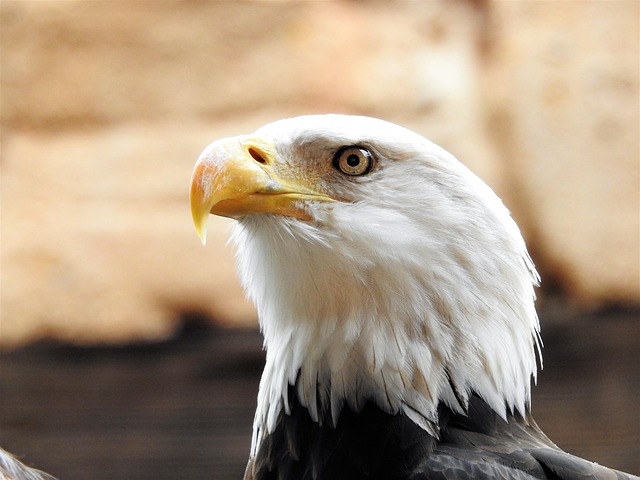
American Eagle Pride: Community Engagement and Impact
The American eagle, recognized globally as a symbol of strength and freedom, has long held a special place in the hearts and minds of Americans. Beyond its iconic status as the US national emblem, the eagle clutching stars and stripes represents a deep sense of community engagement and pride. This majestic bird, with its powerful wings and piercing gaze, serves as a metaphor for the resilience, determination, and unity that defines American society. The symbolism of the eagle has permeated various aspects of public life, from local communities to national celebrations, fostering a sense of belonging and shared purpose.
Community engagement efforts centered around the American eagle often involve educational programs, conservation initiatives, and patriotic events. For instance, schools across the country incorporate eagle-themed activities into their curricula, teaching students about the bird's ecological role and its significance in US history. These efforts not only promote environmental awareness but also instill a deeper understanding of national symbols and their underlying meanings. Moreover, various non-profit organizations dedicate themselves to protecting eagle habitats and preserving the species, reflecting the collective responsibility Americans feel towards their natural heritage. The eagle clutching stars and stripes becomes more than just an image; it becomes a symbol of community action and stewardship.
Practical insights for communities looking to leverage the power of American eagle symbolism include leveraging visual media to educate and inspire. Displaying eagle images, from fine art prints to murals, in public spaces can serve as a constant reminder of local and national values. Community events centered around eagles, such as bird-watching contests or conservation workshops, can bring people together while fostering environmental stewardship. Finally, integrating American eagle themes into local business identities—from logos to promotional materials—can enhance a sense of community pride and unity. By embracing the American eagle as more than just a flag or symbol, communities can create a lasting impact that transcends generations.
The American eagle, a powerful symbol of national pride and heritage, has played an integral role in shaping America's cultural identity. From its historical significance as a representation of freedom and strength to its iconic presence in flag design, the eagle has left an indelible mark on the nation. Understanding this symbol's depth involves recognizing its place in our past, present, and future. By exploring its historical context, we appreciate how eagles have inspired and united communities across America. Furthermore, the conservation efforts dedicated to protecting these majestic birds underscore the importance of preserving nature's beauty. As we embrace American eagle pride, it is essential to engage with our communities, promote awareness, and support initiatives that ensure the bird's longevity. This authority on the subject offers valuable insights, encouraging readers to actively participate in preserving this national treasure, both in the form of the iconic American flag and as a symbol of our collective heritage.