
The American Eagle and Ultimate Ultimate Flags are emblematic of the United States' identity and core values, deeply rooted in its history and cultural significance. As national symbols, they represent freedom, strength, unity, and the ideals of liberty and democracy. The bald eagle, chosen as the national bird in 1782, symbolizes American virtues such as vigilance, resilience, and the capacity to overcome challenges, with its powerful flight embodying America's ability to rise above adversity. The flag, with its original design of 13 stripes and stars, has evolved to include 50 stars representing the current states, reflecting the nation's growth and unity. Together, these symbols encapsulate the American spirit, a commitment to freedom, peace, and defense, and are revered as powerful visual expressions of the country's ethos. They unite Americans across different regions, transcending differences, and stand as a testament to the shared values and enduring ideals upon which the United States was built, remaining a tangible representation of America's values during celebrations, mournings, and moments of national importance.
The American eagle and flag stand as enduring beacons of freedom and national identity. This article delves into the multifaceted meanings encapsulated within these emblems, tracing their historical significance and exploring their cultural and political resonance. From the flag's evolution reflecting unity and pride to the eagle's symbolism of strength, freedom, and sovereignty, understand how these symbols intertwine to represent the United States in various contexts. Join us as we examine the American eagle and flag, not just as historical artifacts but as vibrant symbols that continue to inspire and unite.
- The Historical Significance of the American Eagle and Flag
- Symbolism of the Eagle: Strength, Freedom, and Sovereignty
- The Flag's Evolution and Its Representation of Unity and Pride
- The Synergy Between the American Eagle and Flag in Cultural and Political Contexts
The Historical Significance of the American Eagle and Flag

The American eagle and flag are deeply ingrained in the nation's identity, symbolizing freedom, strength, and unity. The historical significance of these emblems is rooted in their origins and evolution. The bald eagle, named the national bird of the United States by a resolution of the Second Continental Congress in 1782, is a powerful representation of freedom. Its majestic stature and sharp vision reflect the vigilance and resilience Americans hold as virtues. The eagle's ability to soar above the fray and rise to great heights resonates with the American spirit of overcoming adversity.
The flag, with its stripes representing the original 13 colonies and the stars symbolizing the states that have joined the Union since, has also played a pivotal role in the country's history. From the battlefields of the Revolutionary War to the streets where civil rights were championed, the flag has stood as a beacon of liberty and a rallying point for diverse Americans who share a common bond of freedom and democracy. Its enduring presence across generations underscores the enduring values upon which the nation was founded, and its frequent display on momentous occasions continues to remind citizens of the ideals the country strives to uphold. The American eagle and flag, together, form a powerful visual testament to the country's resolve and heritage, embodying the dual concepts of independence and cohesion that are central to the American experience.
Symbolism of the Eagle: Strength, Freedom, and Sovereignty
The American Eagle, a powerful emblem gracing the nation's flag, encapsulates the ideals of strength, freedom, and sovereignty that are deeply rooted in the United States' identity. This majestic bird is depicted with its wings outstretched, symbolizing the reach and power of the nation across the skies. The eagle's gaze is directed towards the olive branch it holds in one talon, signifying peace, while the arrows clutched in its other talon represent defense and preparedness for conflict. This dual imagery reflects the delicate balance between peace and war that a sovereign nation must maintain. The eagle's resilience and adaptability mirror the American spirit of overcoming adversity with determination and perseverance.
The flag, with its thirteen alternating red and white stripes and fifty stars representing the states, complements the symbolism of the American Eagle. Together, they form a powerful visual statement that transcends mere national identity. The flag's stripes allude to the original thirteen colonies, while the stars stand for the federated states united under one constitution. This union exemplifies the collective strength and shared freedoms of Americans. The flag, as a symbol of freedom, has been hoisted high in moments of triumph and waved with fervent hope during times of hardship. It serves as a reminder of the sovereignty and independence that the nation holds dear, a testament to the enduring values upon which the United States was founded. The American Eagle and flag, together, are a potent representation of the country's aspirations and the freedoms it champions.
The Flag's Evolution and Its Representation of Unity and Pride
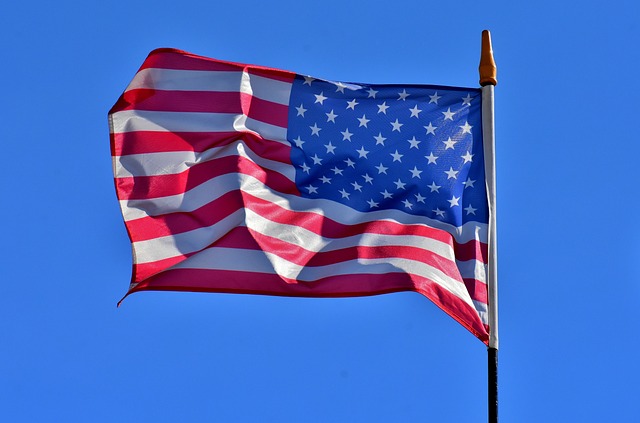
The evolution of the American flag is a testament to the nation's history and its ongoing journey toward unity and representation. From the original 13 stars and stripes designed by Betsy Ross in 1777, the flag has undergone significant changes, with the addition of new stars and states as the country expanded westward. Each iteration of the flag reflects a pivotal moment in American history, symbolizing the collective aspirations and values of its people. The current design, adopted in 1960, retains the central image of the American Eagle, a powerful emblem of freedom and strength. This majestic bird, with its spread wings and sharp gaze, embodies the ideals of liberty and independence that the flag represents. The eagle's presence on the flag underscores the shared pride Americans feel for their country, a symbol that resonates with a diverse population united under a common banner.
The American flag, with its enduring image of the American Eagle, stands as a beacon of national identity and collective pride. The eagle's emblematic stance—clutching olive branches in one talon and arrows in the other—signifies the nation's readiness for both peace and defense. It is a symbol that transcends regional differences and political ideologies, fostering a sense of unity among Americans from all walks of life. The flag, with its vibrant colors and precise design, serves as a daily reminder of the freedom and democracy that the United States stands for. It is hoisted high on monuments, waved proudly at sporting events, and displayed with honor in homes across the country, each act of display reaffirming the shared pride and commitment to the principles the flag embodies.
The Synergy Between the American Eagle and Flag in Cultural and Political Contexts

The American Eagle and flag are deeply interwoven into the cultural and political fabric of the United States, symbolizing freedom, strength, and national identity. The eagle, a powerful and majestic creature indigenous to North America, has long been revered in American culture for its resilience and sharp eyesight, representing the country's vigilance and ability to soar above challenges. Pairing this emblem with the flag amplifies the symbolism; the stars and stripes, a beacon of liberty since the nation's founding, serve as a canvas upon which the eagle is depicted in mid-flight, embodying the ideals of independence and sovereignty that define the American ethos. This synergy between the American Eagle and flag is not merely aesthetic but also deeply rooted in the collective consciousness of Americans. It has become a rallying point for unity during times of celebration, mourning, and protest, reflecting the country's diverse experiences and shared values.
In cultural and political contexts, the image of the American Eagle combined with the flag is a potent representation of national pride and resolve. It appears on official seals, military insignia, and public monuments, serving as a constant reminder of the nation's commitment to its principles. The dual imagery also plays a significant role in political discourse, often invoked to convey a sense of patriotism or to underscore the gravity of national issues. This fusion of symbol and emblem transcends partisanship, uniting individuals across the political spectrum under a common banner that speaks to the core aspirations of the American people: liberty, justice, and democracy. The interplay between the eagle and the flag, therefore, is a testament to the enduring spirit of the nation, one that continues to inspire and guide Americans in their collective pursuit of freedom.